Call now
Good planning is the key to a successful move – whether you are changing homes in Norway or moving here from abroad. When you know how to organize the moving process, you can avoid unnecessary stress and unforeseen costs. Therefore, we have created a practical step-by-step guide for you: moving without chaos and worries. See what you should plan in advance – before you start packing into boxes!
Why should you create a moving plan?
Moving without a plan often ends in haste and unforeseen complications. By creating a checklist of all tasks, you can structure each step – and adapt it to your situation. There is a big difference between moving to another district and moving to another country. A good moving plan should include, among other things, packing, dismantling furniture, preparing appliances, and purchasing necessary aids such as boxes, bags, and vacuum bags.
This gives you a better overview and allows you to spread the work over time. Even simple things like defrosting the freezer or packing fragile items correctly have a big impact on how smoothly the move goes. A plan is not just a formality – it is a concrete and very useful tool throughout the process.
Moving plan step-by-step
Good organization is the key to a smooth move. If you want to avoid stress and chaos, you should think in a structured and flexible way – step by step.
🧘 Keep a cool head
Moving can be intense, and it's wise to realize that not everything will go exactly according to plan. Avoid panic – build some slack into your schedule.
🚚 Move yourself or use a moving company?
This is one of the most important choices. If you only have a few belongings, a passenger car or van might be enough. If you have a lot of furniture or appliances, it is better to rent a larger vehicle – or use a professional moving company. If you want to have control over the entire process, renting a van in Oslo is a practical and flexible solution.
📦 Get boxes well in advance
Start collecting boxes early – from shops, friends, or supermarkets. Have boxes of different sizes. Small ones are perfect for heavy things (like books), while large ones are suitable for clothes, bedding, and kitchen utensils. Don't forget packing tape, markers, and bubble wrap.
🗂️ Sort and organize
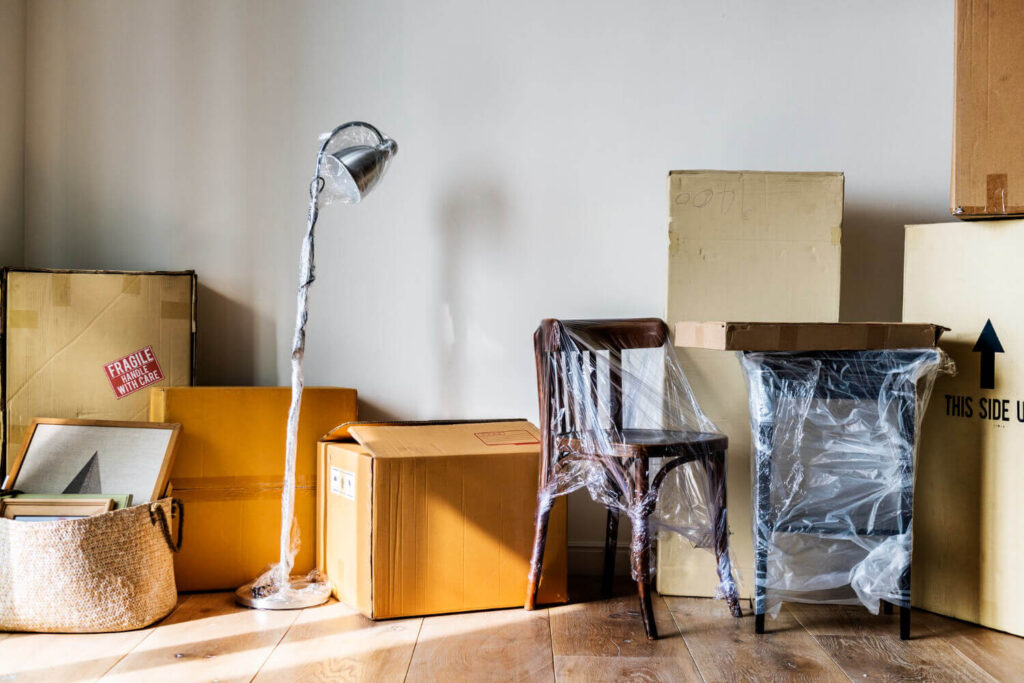
Pack by room and function. Label the boxes clearly. Get rid of things you don't need – don't take unnecessary items with you. Write on the boxes both the room name and the contents, e.g., “kitchen – plates and glasses”.
🚪 Pack room by room
This makes both packing and unpacking easier. Keep the boxes from the same room together during transport as well. Then everyone helping you will know where everything goes. You reduce the risk of mistakes and damage – and maintain an overview from start to finish.
🕓 Start early
Most people are surprised by how much they actually own – until they have to pack it all up. Start at least one week before moving day. Last-minute packing leads to chaos and frustration. The earlier you start, the easier it will be to stay in control and avoid forgetting anything in the old home.
Formalities after moving to Norway
If you are moving to Norway, it is important to address the formalities early. As an EU citizen, you can stay in Norway for up to 3 months without registration. For longer stays, you need a job and must register with the UDI (the Norwegian Directorate of Immigration). You first apply online and then you must appear in person at the police station or the Service Centre for Foreign Workers (SUA) with your ID and proof of employment.
If you are moving with your belongings, you must declare them to the Norwegian Customs. You must fill out a form, make a list of the items (marking what is used), and contact customs when the moving load arrives in Norway. To be exempt from customs duties, you must be able to show that the items are not new, but have been used by you before.
The next step is to report a change of address within 8 days to the National Population Register via the Norwegian Tax Administration. If you are going to work in Norway, you must also apply for a tax card and be assigned a D-number if you have a shorter employment contract.
Summary: Moving with a plan = an easier life
Moving to Norway involves several practical and administrative steps – and the earlier you tackle them, the easier it will be to settle into your new home. Have a good plan, make sure your papers are in order, and arrange the logistics according to your needs. If you want full control over the transport, renting a van in Oslo is a simple solution that makes the moving process more flexible and less stressful.